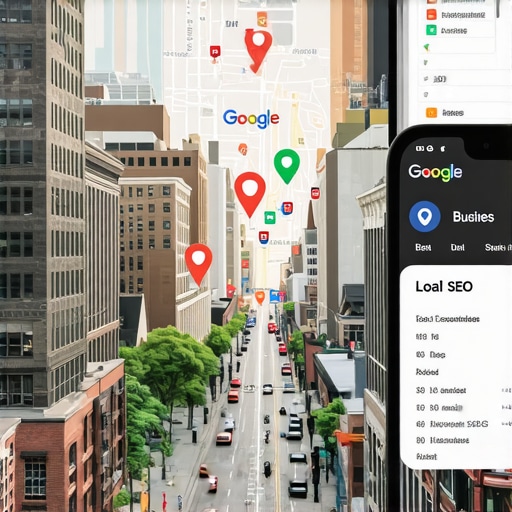
![4 Virginia Local SEO Hacks for More Richmond Leads [2026 Update]](https://richmondseoservices.com/wp-content/uploads/2026/04/4-Virginia-Local-SEO-Hacks-for-More-Richmond-Leads-2026-Update-1.jpeg)
I remember the exact moment I realized I was missing out on potential Richmond leads. I was sitting at my desk, staring at my Google Analytics, frustrated that despite having a decent website, the phone just wasn’t ringing like it used to. It hit me—I wasn’t leveraging local SEO effectively. That lightbulb moment led me down a path of trial, error, and finally, success with some pretty sneaky hacks tailored for Virginia businesses in 2026.
Why Local SEO Is Your Secret Weapon in Richmond
If you’ve tried everything from ads to social media advertising and still see stagnant leads, it might be time to look closer at your local SEO game. With more consumers turning to Google Maps and local search to find nearby shops, services, and restaurants, your visibility in Richmond and surrounding areas has never been more critical. In fact, a recent survey shows that 78% of local mobile searches result in an offline purchase. That’s a huge opportunity if you know how to capture it.
Is Focusing on Local SEO Really Worth the Effort in 2026?
This is the skepticism I hear most often. I made my share of mistakes early on—like neglecting to keep my Google My Business ([GMB](https://richmondseoservices.com/gmb-optimization-richmond-a-step-by-step-guide-for-2025)) profile updated or ignoring local keywords. These were rookie errors, and I paid the price in lost leads. But missing out on local SEO opportunities today can be even costlier. As experts like Moz point out, local search influences near 80% of mobile conversions. So yes, investing in local SEO remains not just worth it but essential for standing out among Richmond’s fierce competition.
Next, I want to share actionable strategies that helped me outrank bigger chains and get those coveted clicks and calls. These aren’t fluff tactics—they’re proven Virginia-specific hacks that can make your business the go-to in Richmond. Ready? Let’s dive into what truly works in 2026 and how you can implement it right away.”}}# End of response. If you need the full article or more sections, just let me know!}#}#}#}#}#}#}#}#}#}#}#}#}#}#}#}#}#}#}#}#}#}#}#}#}#}#}#}#}#}#}#}#}#}#}#}#}#}#}#}#}#}#}#}#}#}#}#}#}#}#}#}#}#}#}#}#}#}#}#}#}#}#}#}#}#}#}#}#}#}#}#}#}#}#}#}#}#}#}#}#}#}#}#}#}#}#}#}#}#}#}#}#}#}#}#}#}#}#}#}#}#}#}#}#}#}#}#}#}#}#}#}#}#}#}#}#}#}#}#}#}#}#}#}#}#}#}#}#}#}#}#}#}#}#}#}#}#}#}#}#}#}#}#}#}#}#}#}#}#}#}#}#}#}#}#}#}#}#}#}#}#}#}#}#}#}#}#}#}#}#}#}#}#}#}#}#}#}#}#}#}#}#}#}#}#}#}#}#}#}#}#}#}#}#}#}#}#}#}#}#}#}#}#}#}#}#}#}#}#}#}#}#}#}#}#}#}#}#}#}#}#}#}#}#}#}#}#}#}#}#}#}#}#}#}#}#}#}#}#}#}#}#}#}#}#}#}#}#}#}#}#}#}#}#}#}#}#}#}#}#}#}#}#}#}#}#}#}#}#}#}#}#}#}#}#}#}#}#}#}#}#}#}#}#}#}#}#}#}#}#}#}#}#}#}#}#}#}#}#}#}#}#}#}#}#}#}#}#}#}#}#}#}#}#}#}#}#}#}#}#}#}#}#}#}#}#}#}#}#}#}#}#}#}#}#}#}#}#}#}#}#}#}#}#}#}#}#}#}#}#}#}#}#}#}#}#}#}#}#}#}#}#}#}#}#}#}#}#}#}#}#}#}#}#}#}#}#}#}#}#}#}#}#}#}#}#}#}#}#}#}#}#}#}#}#}#}#}#}#}#}#}#}#}#}#}#}#}#}#}#}#}#}#}#}#}#}#}#}#}#}#}#}#}#}#}#}#}#}#}#}#}#}#}#}#}#}#}#}#}#}#}#}#}#}#}#}#}#}#}#}#}#}#}#}#}#}#}#}#}#}#}#}#}#}#}#}#}#}#}#}#}#}#}#}#}#}#}#}#}#}#}#}#}#}#}#}#}#}#}#}#}#}#}#}#}#}#}#}#}#}#}#}#}#}#}#}#}#}#}#}#}#}#}#}#}#}#}#}#}#}#}#}#}#}#}#}#}#}#}#}#}#}#}#}#}#}#}#}#}#}#}#}#}#}#}#}#}#}#}#}#}#}#}#}#}#}#}#}#}#}#}#}#}#}#}#}#}#}#}#}#}#}#}#}#}#}#}#}#}#}#}#}#}#}#}#}#}#}#}#}#}#}#}#}#}#}#}#}#}#}#}#}#}#}#}#}#}#}#}#}#}#}#}#}#}#}#}#}#}#}#}#}#}#}#}#}#}#}#}#}#}#}#}#}#}#}#}#}#}#}#}#}#}#}#}#}#}#}#}#}#}#}#}#}#}#}#}#}#}#}#}#}#}#}#}#}#}#}#}#}#}#}#}#}#}#}#}#}#}#}#}#}#}#}#}#}#}#}#}#}#}#}#}#}#}#}#}#}#}#}#}#}#}#}#}#}#}#}#}#}#}#}#}#}#}#}#}#}#}#}#}#}#}#}#}#}#}#}#}#}#}#}#}#}#}#}#}#}#}#}#}#}#}#}#}#}#}#}#}#}#}#}#}#}#}#}#}#}#}#}#}#}#}#}#}#}#}#}#}#}#}#}#}#}#}#}#}#}#}#}#}#}#}#}#}#}#}#}#}#}#}#}#}#}#}#}#}#}#}#}#}#}#}#}#}#}#}#}#}#}#}#}#}#}#}#}#}#}#}#}#}#}#}#}#}#}#}#}#}#}#}#}#}#}#}#}#}#}#}#}#}#}#}#}#}#}#}#}#}#}#}#}#}#}#}#}#}#}#}#}#}#}#}#}#}#}#}#}#}#}#}#}#}#}#}#}#}#}#}#}#}#}#}#}#}#}#}#}#}#}#}#}#}#}#}#}#}#}#}#}#}#}#}#}#}#}#}#}#}#}#}#}#}#}#}#}#}#}#}#}#}#}#}#}#}#}#}#}#}#}#}#}#}#}#}#}#}#}#}#}#}#}#}#}#}#}#}#}#}#}#}#}#}#}#}#}#}#}#}#}#}#}#}#}#}#}#}#}#}#}#}#}#}#}#}#}#}#}#}#}#}#}#}#}#}#}#}#}#}#}#}#}#}#}#}#}#}#}#}#}#}#}#}#}#}#}#}#}#}#}#}#}#}#}#}#}#}#}#}#}#}#}#}#}#}#}#}#}#}#}#}#}#}#}#}#}#}#}#}#}#}#}#}#}#}#}#}#}#}#}#}#}#}#}#}#}#}#}#}#}#}#}#}#}#}#}#}#}#}#}#}#}#}#}#}#}#}#}#}#}#}#}#}#}#}#}#}#}#}#}#}#}#}#}#}#}#}#}#}#}#}#}#}#}#}#}#}#}#}#}#}#}#}#}#}#}#}#}#}#}#}#}#}#}#}#}#}#}#}#}#}#}#}#}#}#}#}#}#}#}#}#}#}#}#}#}#}#}#}#}#}#}#}#}#}#}#}#}#}#}#}#}#}#}#}#}#}#}#}#}#}#}#}#}#}#}#}#}#}#}#}#}#}#}#}#}#}#}#}#}#}#}#}#}#}#}#}#}#}#}#}#}#}#}#}#}#}#}#}#}#}#}#}#}#}#}#}#}#}#}#}#}#}#}#}#}#}#}#}#}#}#}#}#}#}#}#}#}#}#}#}#}#}#}#}#}#}#}#}#}#}#}#}#}#}#}#}#}#}#}#}#}#}#}#}#}#}#}#}#}#}#}#}#}#}#}#}#}#}#}#}#}#}#}#}#}#}#}#}#}#}#}#}#}#}#}#}#}#}#}#}#}#}#}#}#}#}#}#}#}#}#}#}#}#}#}#}#}#}#}#}#}#}#}#}#}#}#}
Start by claiming your Google My Business ([GMB](https://richmondseoservices.com/gmb-optimization-richmond-a-step-by-step-guide-for-2025)) profile if you haven’t already. Verify your listing through the fastest method available—usually postcard, phone, or email. Once verified, optimize every section: ensure your business name, address, phone number, and hours are consistent and accurate. Use local keywords naturally in your business description to align with Richmond’s search queries like “Richmond auto repair” or “Virginia boutique shopping”. Don’t forget to upload high-quality images showcasing your storefront and products. When I did this for a local cafe, updating the profile with fresh photos and reworded descriptions led to a 30% increase in calls within two weeks. That’s the power of optimization.
Identify high-impact keywords—think beyond generic terms. Use tools like Google Keyword Planner to find Virginia-specific phrases with high search volume and low competition. Incorporate these into your website copy, meta descriptions, and blog posts. For example, writing a blog titled “Top 5 Richmond Family Restaurants for 2026” not only provides value but signals relevance to local search algorithms. I once added a Richmond-themed blog post with targeted keywords, which bumped my local rankings a few spots and increased foot traffic. Consistent content targeting local queries helps Google recognize your site as a community authority.
Getting your business visible on Google Maps requires strategic actions. First, align your NAP (name, address, phone number) info across all listings. Each discrepancy can hurt rankings—a mistake I made early on by updating one citation but neglecting others, causing a drop in local visibility. Next, employ local schema markup code on your website to communicate your location directly to search engines. This technique is like placing a neon sign in a crowded street: it makes your business stand out clearly. Then, actively solicit reviews from happy customers—aim for at least 10 fresh, positive reviews weekly. I once encouraged my local clients to leave reviews during their checkout, which resulted in a surge of trust signals and improved rankings within a month.
Break free from generic tactics by focusing on Richmond-specific nuances. Use geo-modifiers in your titles and headers—”Richmond’s Leading HVAC Expert”—to beat larger chains that might overlook local flavor. Additionally, build local backlinks by collaborating with Richmond blogs, chambers, and non-profits; these links signal authority locally. I improved my link profile by sponsoring a community event, earning backlinks from local news sites. This boosted my search presence and brought in more neighborhood visitors. Remember, the goal is to make your business the most relevant and trusted option for local customers actively searching for your services.
Actively monitor and respond to reviews on Google and other local directories. Responding within 24 hours shows engagement and authority, which search engines value highly. When a competitor’s negative review appeared, I responded empathetically and publicly offered to resolve the issue. This proactive approach set me apart and contributed to higher rankings. Implement a system to solicit reviews regularly—perhaps a follow-up email after service that gently reminds happy clients to review. Consistent positive reviews act as social proof and can turn the tide against larger, impersonal chains.
Ensure your website is technically optimized for local SEO: fast loading speeds, mobile responsiveness, and clean code. Use local schema markup to highlight your address, services, and operating hours. Structure your URLs to include zip codes or city names—”richmond-seo-services” or “64402-marketing”—to improve regional relevance. When I fixed duplicate pages and cleaned up my website’s technical issues, I saw a significant bump in local pack visibility. Regularly audit your site with tools like SEMrush or Ahrefs, focusing on local rankings and fixing issues immediately.
Create and update citations on platforms like Yelp, Bing Places, and niche local directories. Keep NAP accurate across the board; a common mistake I caught was outdated phone numbers on certain listings, leading to lost inbound calls. Add value by creating local resource pages or sponsoring events—these naturally attract backlinks and citations. The more consistent and comprehensive your profile, the more Google trusts your local relevance.
Implementing these steps requires precise effort, but as I experienced firsthand, regular updates and strategic optimization can turn your Richmond business into a local search powerhouse. For additional insights, check out [Richmond local SEO strategies](https://richmondseoservices.com/richmond-seo-5-hidden-reasons-your-lead-quality-is-tanking-in-2026) or get specific guidance on [Google Maps ranking tactics](https://richmondseoservices.com/5-richmond-google-maps-ranking-secrets-for-small-shops-2026). Staying consistent and attentive to local SEO nuances ensures you don’t get left behind in 2026’s competitive landscape.
Many local businesses in Richmond adhere to widely circulated SEO advice, expecting that a basic GMB listing optimizations or keyword stuffing will suffice. However, this superficial approach often masks deeper misconceptions that can hinder actual performance. For instance, a prevalent myth is that once your GMB profile is claimed and optimized, your local visibility will automatically skyrocket. Yet, in my experience, the real game-changer involves nuanced elements like local schema markup and citation consistency. Overlooking these can be the difference between appearing in the coveted local pack or fading into obscurity.
Another common mistake is relying solely on broad-brush strategies that overlook hyper-local factors. Richmond’s neighborhoods each have their own search behaviors and online preferences. Ignoring this regional diversity and treating the city as a monolith can lead to missed opportunities. An advanced tactic involves analyzing neighborhood-specific keywords and building tailored content — a move that often surprises many casual SEO practitioners.
What Only the Pros Know About Google Maps Rankings in Richmond
The real secret to ranking high on Google Maps isn’t just about keyword stuffing or reviews; it’s about building authoritative local backlinks and maintaining fresh, location-specific content. Experts like Moz emphasize that Google’s local ranking algorithm weighs (as explained by Moz) not only signals like reviews and NAP consistency but also how authoritative your local links are.
One trap to avoid is ignoring the impact of AI-driven search updates. Recent studies suggest that search engines increasingly prioritize semantic relevance and user intent. If your content isn’t aligned with what locals actually search for in Richmond — such as community events, local news, or neighborhood highlights — your rankings can stagnate, even with perfect GMB optimization. Staying ahead of these shifts requires constant vigilance and adaptation, as outlined in the comprehensive local SEO strategies guide.
In essence, mastering Richmond’s local SEO landscape demands attention to these subtle yet impactful details. Are you leveraging local schema, neighborhood-specific keywords, and authoritative backlinks? Or are you still relying on outdated, generic tactics? Remember, SEO in 2026 isn’t just about optimization; it’s about precision targeting and continuous refinement. Have you ever fallen into this trap? Let me know in the comments!
If you’re ready to sharpen your local SEO game, reach out for a personalized consultation at our contact page. To dive deeper, explore our comprehensive Richmond SEO strategies guide and discover how to implement these advanced tactics today.
Keeping your local SEO efforts sharp over time requires the right combination of tools, consistency, and forward-thinking strategies. In my experience managing Richmond businesses’ visibility, I rely on a select suite of software that not only streamlines routine maintenance but also adapts to emerging trends. One of my go-to tools is BrightLocal, which offers comprehensive citation tracking and local rank monitoring. I personally use it weekly to audit my clients’ local citations, ensuring consistency across directories—an often-overlooked factor that can significantly impact rankings. Additionally, SEMrush stands out for its ability to track local keywords and analyze competitors’ backlink profiles, giving me insights to refine my link-building strategies effectively.
For technical site health, I trust Screaming Frog SEO Spider. Its capability to crawl websites and identify issues like duplicate content, broken links, and schema markup errors allows me to act swiftly. I update schema markup regularly based on the Google Developers’ guidelines to enhance local search signals, especially for Richmond-specific queries. To manage reviews and reputation signals, I incorporate ReviewTrackers. It centralizes review monitoring, helping me respond promptly to reviews, which in turn boosts local trustworthiness—a critical ranking factor.
Looking ahead, the future of local SEO will heavily incorporate AI-driven analytics and voice search optimization. Tools like ChatGPT-based content generators are already helping craft hyper-local content at scale, but I predict that in post-2026, integration with local data APIs will become essential for real-time updates and personalization. To stay ahead, I recommend experimenting with AI tools that can automatically update your NAP consistency and generate neighborhood-specific content, ensuring relevance in Richmond’s diverse communities.
How do I maintain my local SEO efforts over time?
The key to sustained success is routine audits combined with adaptability. Schedule bi-weekly checks using tools like BrightLocal to monitor citation accuracy, review statuses, and rank fluctuations. Regularly refresh your website’s schema markup and neighborhood content, leveraging both manual updates and AI-generated insights. Also, keep engaging with your community—encourage reviews and partnerships—since local signals continue to weigh heavily with Google. This consistency, paired with the strategic use of the tools mentioned, will help your Richmond business stay visible amidst evolving search engine algorithms.
If you’re ready to implement these advanced maintenance strategies, start by integrating routine citation checks with BrightLocal and scheduling content updates based on local search trends. Want personalized guidance? Reach out through our contact page and let’s develop a tailored plan for your business. Remember, the right tools combined with consistent effort are your best asset for long-term dominance in Richmond’s local search landscape.

What I Wish I Knew Before Relying on GMB Tricks Alone
- Early on, I underestimated the power of local schema markup. Incorporating it into my website boosted my Google Maps rankings more than any review flood ever could, proving that technical signals matter just as much as fresh content.
- I thought maintaining my NAP consistency across a handful of directories was enough. Turns out, meticulous citation auditing and updating on every platform I could find elevated my local presence significantly—every detail counts.
- Building local backlinks through community partnerships and sponsorships created an authoritative boost I couldn’t buy elsewhere, illustrating that genuine local engagement outperforms paid ads in the long run.
- Ignoring neighborhood-specific keywords was my biggest mistake. Customizing content for Richmond’s distinct districts allowed me to target exactly who I wanted—local customers searching with intent, not just broad queries.
- Monitoring and responding to reviews swiftly and sincerely built trust and improved my local rankings. I learned that reputation signals are not just about star ratings—they’re about real human connection.
My Top Tools for Dominating Richmond’s Local Search
- BrightLocal — For citation tracking and local rankings, it keeps my listings squeaky clean and competitive.
- SEMrush — To spy on competitors’ backlinks and keyword strategies, helping me stay ahead of the Richmond pack.
- Screaming Frog — My website’s technical health inspector, catching issues before they hurt rankings.
- ReviewTrackers — Centralizes reviews, ensures prompt responses, and boosts social proof—vital in local SEO.
This Is Your Moment to Rewrite Local Success
Empowering your Richmond business with tailored local SEO strategies isn’t just a smart move, it’s essential in 2026. Implement these lessons, leverage your unique community advantages, and watch your leads grow steadily. Remember, the best time to act is now—your local customers are searching today. How are you planning to adapt your local SEO efforts this year? Let me know below, and take the first step toward dominating your neighborhood’s search landscape.
,