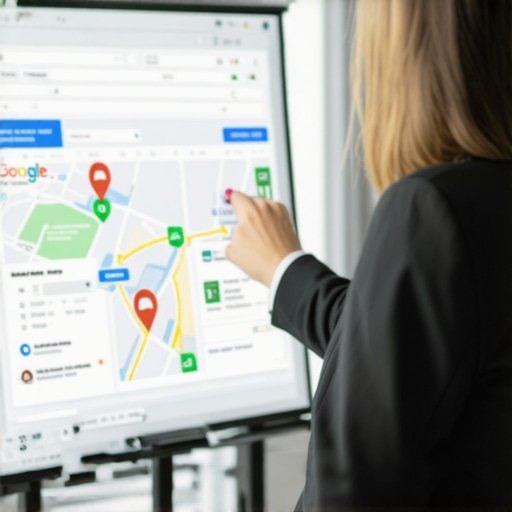
I remember the exact moment I realized I was doing SEO all wrong. It was a Friday afternoon, and despite pouring hours into my Richmond-based business website, my phone was eerily silent. No calls, no inquiries. Just the hum of my computer and a creeping sense of frustration. That lightbulb moment hit hard: I was missing out on local customers because I didn’t understand how to make my business visible where it truly matters—on Google Maps and local search results.
Why Local Visibility Can Make or Break Your Richmond Business
In a city as vibrant and competitive as Richmond, standing out isn’t just about having a pretty website. It’s about appearing right where your customers are searching—Google Maps and local search results. When I finally cracked the code and started optimizing my Google My Business profile, the results were astonishing. My phone rang more, inquiries increased, and I saw genuine growth. This isn’t just my story—it’s a proven fact. According to recent studies, 78% of local mobile searches result in an offline purchase, making local SEO essential for Virginia businesses aiming for growth.
Is Google Maps Optimization Really That Important?
Early in my journey, I made the mistake of thinking that ranking on Google Maps was just an optional extra. I believed that a good website alone would suffice. Boy, was I wrong. Optimizing my Google My Business (GMB) profile was the game-changer. It helped my business appear in the coveted local pack and on map searches, driving foot traffic and calls. If you’re skeptical, I get it. The good news is, I can show you how to avoid my rookie mistakes and master GMB optimization for your Richmond business.
If you’re tired of being invisible on local searches or just want to get ahead of your competition, you’re in the right place. I’ll walk you through the exact strategies I used, backed by expert advice and real results. Ready to make your business the first thing locals see when they search? Let’s dive in!
Claim and Perfect Your Google My Business Profile
The first step I took was claiming my GMB profile and making sure every detail was accurate and optimized. Think of your GMB profile as your digital storefront. I updated my business name, address, phone number, and hours to match what appeared on my website and other directories. I added high-quality photos of my shop, services, and team—this builds trust and attracts clicks. Don’t forget to choose the right categories that reflect your services, like “Plumber” or “Cafe.” I also wrote a compelling business description packed with local keywords, which helped Google understand my business better. For a step-by-step breakdown, check out this GMB Optimization Guide.
Leverage Local Keywords and Content
Next, I focused on local keywords that my customers were searching for. Instead of vague terms like “roofing services,” I targeted “Richmond roof repairs” or “best roofing contractor in Richmond.” I incorporated these keywords naturally into my website content, blog posts, and service descriptions. This is similar to planting signposts along a trail—making it easier for Google to guide local customers to my business. I also created blog posts about local events or collaborations, which helped me rank for hyper-local searches and demonstrated my community involvement. For detailed keyword strategies, explore this Virginia SEO Tactics.
Build and Manage Consistent Local Citations
Consistency is key. I made a list of all local directories—Yelp, Bing Places, Facebook, and industry-specific sites—and ensured my NAP (Name, Address, Phone Number) was identical everywhere. Think of citations as references in a resume; consistency builds trust with Google. I also monitored reviews, responding promptly and professionally, which improved my reputation and boosted my local rankings. To find the most effective local SEO tactics, I recommend reading this Local SEO Techniques.
Encourage and Manage Customer Reviews
Customer reviews are like word-of-mouth in the digital age. I asked satisfied clients to leave reviews on my GMB profile. To make it easy, I sent follow-up emails with direct links. Positive reviews not only influence potential customers but also enhance my local ranking. I made sure to respond to all reviews, thanking customers for their feedback and addressing any concerns. This engagement signals to Google that my business is active and trustworthy. For review management tips, see this Review Strategies.
Optimize for Mobile and Local Search
Most local searches happen on mobile devices. I tested my website’s mobile responsiveness and fast load times, ensuring visitors could find information quickly. When creating content, I used local landmarks and neighborhood names to help Google associate my business with Richmond’s local landscape. Using structured data markup also helped Google display my business info directly in search results, like showing my operating hours or reviews. For technical details, check out this Google Maps Optimization Tips.
Track, Analyze, and Adjust Your Efforts
I kept a close eye on my rankings, website traffic, and GMB insights. This data helped me identify what was working and what needed improvement. For instance, I noticed certain keywords brought in more local calls, so I refined my content around those. Regular analysis is like tuning a guitar—keeps your local SEO performance at a high level. For ongoing optimization, read this Local Search Success Strategies.
< >
>
Many businesses in Richmond and beyond fall into traps because of widespread misconceptions about local SEO and Google Maps strategies. As an expert who’s helped numerous local brands thrive, I want to shed light on the hidden nuances that can make or break your efforts. Let’s dig deeper into what most people get wrong and how to avoid costly mistakes.
Why Do Many Business Owners Believe Quantity Over Quality in Reviews?
A common myth is that accumulating hundreds of reviews quickly will skyrocket your rankings. While reviews are important, Google prioritizes authentic, positive, and recent feedback. Fake or incentivized reviews can lead to penalties and damage your reputation. Focus on encouraging genuine reviews from satisfied customers and responding professionally. This approach not only boosts your local ranking but also builds trust with potential clients. According to Moz’s local search ranking factors, review quality and recency weigh heavily in local algorithms (Moz).
Beware of Over-Optimizing Your Google My Business Profile
Many think stuffing keywords into their GMB profile will improve visibility. In reality, keyword stuffing can trigger spam filters and harm your rankings. Instead, focus on providing accurate information and natural language that appeals to humans. Use your main keywords thoughtfully in your business description and services, but prioritize clarity and trustworthiness. Google values user experience over keyword density. For detailed insights, review this GMB optimization guide.
Is Consistency Really Critical, or Is It Overstated?
Some believe minor discrepancies in your business name, address, or phone number (NAP) don’t matter. In truth, inconsistent citations can confuse Google and reduce your local ranking potential. Ensuring NAP consistency across all directories is essential for building trust and authority. This is especially true if you want to dominate Richmond’s local search landscape. For effective citation management, check out this local SEO techniques.
Lastly, avoid the trap of thinking local SEO is a one-time fix. It’s an ongoing process that requires regular monitoring, updating, and engagement. Use tools like Google Analytics and GMB insights to track your progress and refine your strategies accordingly. Remember, mastery in local SEO isn’t about quick wins but sustained effort and strategic thinking.
Have you ever fallen into this trap? Let me know in the comments and share your experiences so others can learn from your mistakes.
Keeping your local SEO efforts vibrant and effective over time requires the right tools and a proactive maintenance approach. After setting up your Google My Business profile and optimizing your website, the next step is ensuring these assets continue to perform well amidst changing algorithms and market dynamics.
Invest in Reliable Monitoring Tools
To stay ahead, I personally rely on tools like BrightLocal and SEMrush. BrightLocal is exceptional for tracking local rankings and managing reviews across multiple locations, which helps me identify fluctuations and respond swiftly. SEMrush, on the other hand, offers comprehensive insights into keyword performance, backlinks, and competitor analysis. I use it to refine my local keyword strategies, ensuring my content remains relevant and competitive. These tools are invaluable for maintaining visibility and spotting issues before they impact your rankings.
Automate Review Management
Reviews are a cornerstone of local SEO, but managing them manually can become overwhelming. I recommend using Grade.us, a platform that automates review requests and responses. It helps you consistently gather fresh, genuine reviews and engage with customers efficiently. Responding promptly not only boosts your reputation but also signals to Google that your business is active and trustworthy. Keeping this momentum going is vital for long-term success.
Regularly Audit Your Citations and NAP Consistency
Over time, citations can become outdated or inconsistent, especially if your business details change or you expand to new locations. I perform bi-annual audits using tools like Whitespark to ensure consistency across all directories. This proactive approach prevents any confusion or trust issues with Google and local consumers. Remember, citation accuracy directly influences your local search rankings.
Leverage Structured Data for Continued Visibility
Implementing structured data markup, such as Schema.org, helps Google better understand your business details. I recommend regularly updating your schema to include new services, offers, or events. This ensures your business appears with rich snippets in search results, maintaining a competitive edge. Google updates its algorithms frequently, but structured data remains a reliable method to enhance your listing’s prominence.
Plan for Future Trends in Local SEO
Looking ahead, voice search and AI-driven local search will become increasingly dominant. Staying ahead means integrating voice-friendly keywords and optimizing for mobile voice queries. Tools like Answer the Public can help identify natural language questions your customers are asking, allowing you to adapt your content accordingly.
To truly master ongoing maintenance, I suggest dedicating time monthly to review your analytics, update your listings, and engage with your community. Trying out advanced features like Google Posts or local event promotion can also give you an edge. Remember, persistent effort and strategic use of these tools will keep your local SEO efforts thriving long-term.
If you’re ready to elevate your local SEO game, start by analyzing your current review management process with Grade.us and see how automation can save you time and improve your reputation. Want more tailored advice? Check out Virginia SEO tactics and keep your strategy sharp.
The Hardest Lesson I Learned About Mastering Google Maps for Local Search
One of the toughest lessons I faced was realizing that quality reviews trump quantity. Early on, I believed flooding my profile with fake five-star ratings would boost my rankings, but Google quickly caught on and penalized my listing. Authentic reviews from real customers, even if fewer in number, made a genuine difference. This taught me to focus on building trust rather than chasing numbers.
3 Myths About Local SEO in Richmond That Held Me Back
Another insight was understanding that over-optimizing my GMB profile with keywords actually hurt my visibility. Google favors natural, user-friendly content. Also, I used to think consistency in citations wasn’t crucial, but I learned that even small discrepancies can confuse Google and harm my rankings. These realizations helped me refine my approach for better results.
Where to Go from Here
If you want to improve your local visibility, invest in tools like BrightLocal or SEMrush—they’re game changers for tracking rankings and managing reviews. Regularly audit your citations with Whitespark to ensure NAP consistency. And don’t forget to leverage structured data—Google loves rich snippets that highlight your business details.
Fuel Your Drive: Your Next Step in Local SEO
Mastering local SEO isn’t a one-time effort; it’s an ongoing journey. With persistence, strategic tools, and a community-focused mindset, your Richmond business can dominate local search results. Remember, the key is consistent engagement and adaptation to new trends like voice search.
Have you ever struggled with balancing review quality and quantity? Share your experiences below—I’d love to hear your story!



Reading through this post really hits home, especially the part about how crucial Google My Business optimization is for local visibility. I’ve seen firsthand how small tweaks like updating photos and responding to reviews can dramatically change a business’s local engagement. One thing I struggled with initially was maintaining review authenticity; I felt pressured to gather more reviews rapidly, but learned over time that quality and recency matter much more. Has anyone found that automating review requests affects the authenticity of the reviews received? I worry that too much automation might make reviews seem less genuine, which could backfire. Also, I’ve been curious about how local landmarks and community events impact search rankings. Do they really boost visibility in your experience? I’d love to hear how others use local content to boost their Google Maps rankings—sharing real success stories could really motivate small business owners like me to refine our ongoing local SEO efforts.
This post really hits on some crucial points about the importance of local SEO, especially in vibrant cities like Richmond where competition is fierce. I’ve learned that consistency in citations truly makes a difference—little discrepancies in NAP details can significantly impact search rankings. It’s interesting how the author emphasizes the need for ongoing management rather than a one-time setup. I’ve faced similar challenges with review management; automating review requests saved me time, but I noticed that personalized follow-ups often lead to more genuine feedback. The balance between automation and authenticity is tricky, but in my experience, a mix of both works best. How have others managed this balance effectively? Also, I’m curious—has anyone seen a tangible impact from involving local community events or landmarks in their content? Sharing strategies on leveraging local ties could help small businesses better connect with their audiences and improve visibility. Great insights—this will definitely help me refine my own local SEO approach.