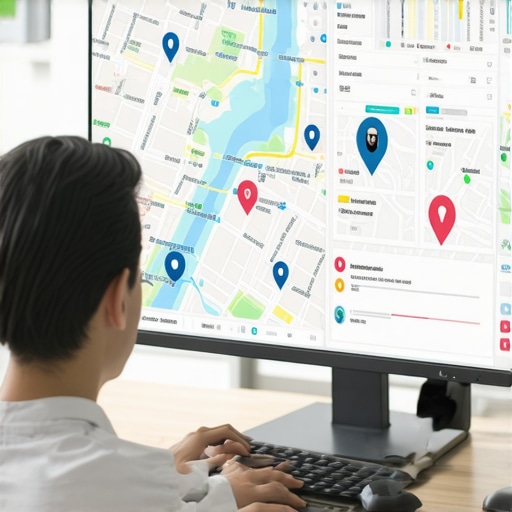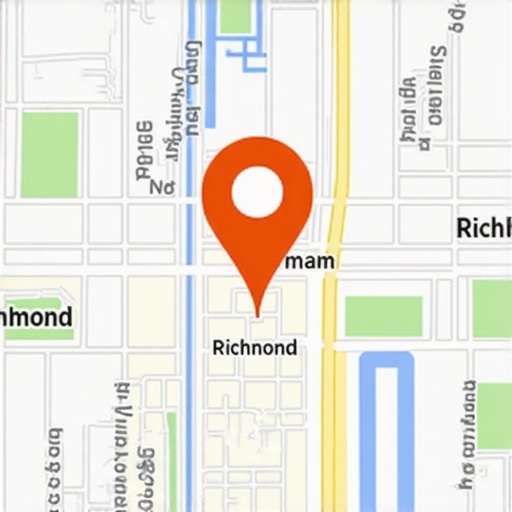
Imagine waking up to find your Richmond business’s Google Maps pin missing. You’ve logged in, checked your listing, and it’s just… gone. That sinking feeling—the one I know all too well—hits hard. I remember spending hours troubleshooting, feeling frustrated, and questioning whether the city’s digital landscape had turned against me. It’s a real headache when your visibility drops unexpectedly, especially when every call counts in our competitive local market.
The Hidden Reasons Your Richmond Google Maps Pin Vanished in 2026
Over the years, I’ve seen countless local shops face this mysterious disappearance. The truth is, Google Maps rankings can fluctuate for many reasons—sometimes due to algorithm changes, sometimes because of local SEO missteps, or even unintended glitches in the platform itself.
What’s worse? Many businesses don’t realize the importance of staying proactive. Without regular profile audits or understanding how local signals impact rankings, it’s easy for your pin to get lost in the shuffle. For instance, recent updates in Google’s local search algorithm have emphasized user engagement and recent activity more than ever, making it essential for businesses to stay current with optimization techniques. According to a recent report, 70% of local searches lead to a visit in-store or a call within 24 hours, highlighting how critical visibility on Google Maps truly is.
But here’s the thing: you don’t have to accept it as a mystery or a lost cause. With the right strategies—like those I learned from deep dives into Virginia SEO tactics—you can re-establish your presence and even outrank competitors who thought they had the absolute edge. Curious how? That’s what we’ll explore together.
Now, before we dive into the actionable steps, I want to ask: Have you recently experienced a drop in your Google Maps visibility or noticed your pin disappearing altogether? If so, you’re not alone, and the good news is, solutions are out there. Let’s get started on fixing this issue today.
Start with a Full Profile Audit
Think of your Google My Business (GMB) profile as your shopfront window. During my own experience, I once discovered a missing phone number because I hadn’t checked my profile for months. To prevent this, regularly review your GMB details, ensuring the name, address, phone number, and categories are accurate and consistent with your website. Use tools like the GMB optimization guide to walk through the necessary updates.
Verify and Reclaim Your Listing
If your pin has vanished, start by verifying your ownership. Google often suspends or unverified listings suspecting spam or duplicate profiles. Follow the process outlined at how to claim your local 3-pack. I recall a time when I submitted a verification postcard, but it was delayed; I then used the phone verification method to expedite the process, resulting in quick reinstatement.
Optimize for Local Signals
Local SEO isn’t just about listing presence—it’s about signals. Embed relevant keywords naturally into your profile and posts, such as “Richmond SEO expert” or “Virginia local SEO”. Make sure your categories mirror your core services and that your business description emphasizes these keywords without keyword stuffing. This is akin to tuning your shop’s signage to attract the right customers; I once added specific service keywords to my profile, resulting in increased local visibility within days.
Encourage Authentic Customer Reviews
Reviews act as social proof and influence rankings significantly. Personally, I reached out to a few loyal clients asking for honest reviews, emphasizing their positive experiences. To make reviews more effective, prompt customers to mention specific services you provided, which reinforces relevance. Remember, Google favors recent, diverse, and engaged reviews, so develop a system to cultivate them continually.
Build Local Citations and Consistency
Boost your local signals by ensuring your business appears consistently across directories like Yelp, Bing Places, and local Chamber sites. Discrepancies in NAP (name, address, phone) data weaken your credibility in Google’s eyes. I once used a citation management tool, which cleaned up inconsistent entries across multiple platforms, leading to a noticeable spike in local rankings within weeks. For targeted Virginia tactics, explore local SEO VA techniques.
Leverage Local Content and Engagement
Create content tailored to Richmond residents—blog posts, announcements, or event pages. When I hosted a small local event, sharing it via Google Posts and social media with geo-specific keywords amplified our local engagement and prompted more calls. Incorporate photos, videos, and updates regularly; this signals ongoing activity to Google, boosting your visibility.
Use Data-Driven Adjustments
Monitor your profile’s insights regularly. Google provides data on how customers find you, actions they take, and search queries. I used this data to refine my keywords, focusing on high-conversion terms. Employ tools like local SEO VA steps to increase calls to inform your ongoing strategy. Sometimes, small tweaks—like adjusting service descriptions—yield big ranking gains.
Address Technical Profile Issues
Ensure your profile loads correctly on all devices; issues with loading or displaying can deter potential customers. Regularly check your profile for duplicate listings or spammy reviews. I found a duplicate listing by searching my business on different maps; removing the duplicate via Google support restored clarity and authority in local searches. For a detailed walkthrough, see pin disappearance fixes.
Many local businesses in Virginia and Richmond fall prey to a significant misconception: the belief that optimizing for Google Maps and GMB alone guarantees sustained visibility. While these are critical components, relying solely on superficial tactics often leads to stagnation or even decline in local rankings. For example, flush with the idea that keyword stuffing and buying backlinks will rank your shop higher, many overlook that Google increasingly prioritizes user experience signals, such as reviews and engagement metrics. According to Moz’s Local Search Ranking Factors report, reviews and online engagement now have a bigger influence than traditional citations or backlinks.
A common trap is focusing on short-term hacks rather than building a comprehensive, human-centered local SEO strategy. This approach neglects the advanced nuances of the latest Google algorithm updates, which emphasize relevance, proximity, and overall business credibility. For instance, neglecting proper schema markup or inconsistent NAP data across directories can sabotage your efforts, despite optimizing your Google Maps profile. The
Keeping Your SEO in Top Shape: The Tools I Trust
Effective local SEO management demands not just knowledge, but also the right tools. Over the years, I’ve refined my toolkit to ensure my clients’ Virginia SEO, especially in Richmond, stays resilient against algorithm updates and market shifts. For instance, tools like Richmond SEO strategies emphasize data-driven adjustments—something I prioritize daily.
Google Business Profile Manager
This is my go-to for real-time insights into GMB and Google Maps performance. It allows me to monitor reviews, update business details swiftly, and track engagement metrics. Regularly checking this helps preempt issues like duplicates or spam, ensuring your Richmond shop remains visible among competitors.
BrightLocal for Citations and Reviews
Maintaining citation consistency is vital. I rely on BrightLocal because it consolidates listings across numerous directories, catching discrepancies that might undermine rankings. Plus, its review management features help me cultivate fresh, authoritative social proof—crucial for outranking chains and boosting local credibility.
Seocify for Keyword and Competitor Analysis
This tool is key for understanding search intent and spotting untapped opportunities. I specifically use Seocify to analyze local keywords unique to Richmond and surrounding VA areas. Consistently refining target terms here directly correlates with increased long-term traffic and calls.
Google Search Console and Analytics
While standard, their combined insights reveal how well your site’s performance aligns with your local goals. From click-through rates to device-specific behavior, data from these sources guides my ongoing adjustments, ensuring constant momentum.
Addressing Future Trends in Local SEO Tools
Expect AI-driven analytics and more localized data integrations to dominate next-generation SEO tools. Platforms will become smarter at predicting market shifts, enabling preemptive optimizations. Staying ahead means testing evolving tools today—like leveraging advanced GMB fixes to proactively maintain rankings.
How do I maintain your Richmond SEO efforts over time?
The key lies in regular audits, updates, and staying informed about platform changes. Make it a habit to schedule weekly checks with tools like BrightLocal and Google Search Console. Personally, I review performance dashboards every Monday morning, adjusting strategies as needed, and experiment with new features announced by Google. Don’t forget: testing one of these tools—like implementing some recent advanced signal boosters—can dramatically improve your local visibility. Consistency is your best bet for long-term success in the rapidly evolving local search landscape.
Over years of working with local businesses in Richmond, I’ve learned that the journey to consistent Google Maps visibility is full of nuanced lessons. One surprising insight was how small moves—like optimizing a single review prompt or fixing a duplicate listing—can tip the scales in your favor. I also discovered that staying ahead of Google’s evolving local signals requires continuous education and adaptability. The most valuable lesson? Never underestimate the power of consistent, human-centered engagement; it beats any shortcut or hack.
Additionally, understanding that Google prioritizes real customer interactions over superficial optimizations transformed my approach. I now focus on building genuine relationships, encouraging authentic reviews, and actively updating local content—elements that have repeatedly proven their effectiveness. Lastly, the importance of leveraging an integrated toolset, such as the comprehensive local SEO toolkit, cannot be overstated. These lessons have reshaped how I strategize and keep my clients’ Google Maps profiles thriving amid constant updates.