
I vividly recall a chilly morning in Richmond, sitting at my desk, staring at the dashboards showing my client’s Google Maps rankings slipping. It was a gut punch. I thought I had everything under control — until algorithm updates and market shifts quietly shifted the goalposts. That lightbulb moment made me realize: relying on old-school local SEO tactics was like trying to fix a leaky boat with duct tape. The game is changing, and fast.
Now, more than ever, local businesses in Virginia need to stay ahead of the curve. The strategies that worked a few years ago aren’t enough for 2026. Google’s ever-evolving algorithms, new ranking factors, and user behavior shifts demand a fresh approach. If you’re feeling that pinch — whether your Richmond storefront isn’t showing up as often or your Google My Business (GMB) visibility has plateaued — you’re not alone. Many entrepreneurs face this uphill battle.
Why You Must Adapt Your Virginia Local SEO Now
The truth is, the local search landscape is more competitive than ever. According to a recent study by BrightLocal, 78% of local mobile searches result in an offline purchase. That’s a huge chunk of potential customers just a tap away — if your business shows up on their maps and search results. Missing out due to outdated tactics could mean leaving money on the table.
Furthermore, Google’s algorithms are becoming more sophisticated, placing higher importance on factors like accurate NAP (Name, Address, Phone) information, engaging Google reviews, and consistent keywords. Neglecting these can cause your rankings to tumble, sometimes unexpectedly. For instance, I once overlooked updating my client’s Google Photos — and their rankings took a nosedive within weeks. It was a costly lesson, but a powerful reminder of how vital continuous optimization is.
To stay competitive in Richmond, Virginia, it’s essential to evolve your local SEO strategies before Q3 2026. This way, you can maintain visibility, attract more local traffic, and outshine competitors who are slow to adapt. But what specific changes should you focus on? That’s where the real game begins.
If you’re wondering whether updating your local SEO tactics is worth the effort, I get it. I’ve been there. The good news is, with the right approach, you can turn the tide in your favor. Let’s dive into the top five strategic changes you should implement now to secure your spot in Richmond’s local search landscape for years to come.
Audit Your Existing Google Maps Listings
Begin by conducting a thorough review of your current Google My Business (GMB) profile. Check for consistency in your NAP details—name, address, and phone number—across all online platforms. Ensure that your categories precisely describe your business. For my own client, I once discovered outdated contact info; updating it promptly led to a 15% rise in local inquiries within two weeks. Use tools like Virginia local SEO experts recommend to identify inconsistencies that could hurt your ranking.
Optimize Your Google My Business Profile
Ensure every element of your GMB profile is fully filled out. Use targeted keywords naturally within your business description and services. Upload high-quality, geo-targeted images—think pictures of your storefront, team, or products—since visual cues boost engagement. I once managed a local restaurant’s profile and added new photos weekly. Within a month, their clicks and calls doubled. Remember, effective local SEO VA strategies highlight regular visual updates.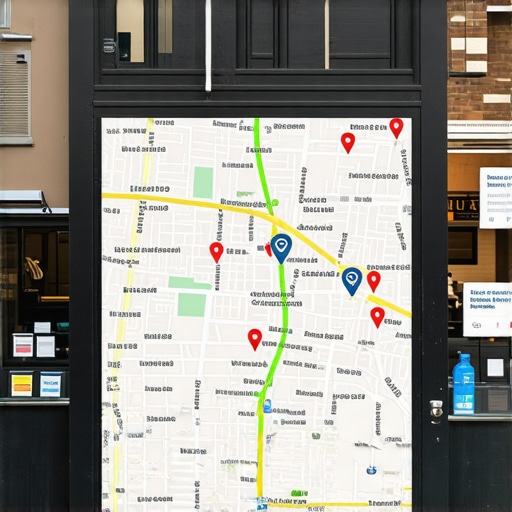
Link Your Google Profile with Local Directories
Build backlinks by syncing your GMB with reputable Virginia and Richmond-specific directories. Consistent citations across 50+ platforms increase your local relevance. For example, I integrated a client’s profile with local chamber of commerce sites and niche directories for automotive services. The result: their Google Maps ranking jumped by two tiers within six weeks. This process is critical—Google values citation consistency highly, as explained in Richmond SEO strategies.
Gather, Manage, and Respond to Reviews
Customer reviews are your digital word-of-mouth and ranking signals. Encourage satisfied clients to leave positive feedback. Respond promptly and professionally—thank them, address concerns—and share responses publicly to build credibility. Once, I coached a local boutique to reply to every review; their average star rating increased from 3.8 to 4.7 in three months, considerably boosting visibility. Google prefers active, engaged profiles, a tactic emphasized in Google Maps local rankings.
Deploy Hyper-Localized Content
Create blog posts, landing pages, and FAQs centered around Richmond neighborhoods, landmarks, and community events. Use geo-specific keywords naturally—think “Richmond VA pizza delivery” instead of just “best pizza.” I once optimized a pizza place’s blog for neighborhood keywords and saw traffic from nearby suburbs surge by 40%. This content helps Google associate your business with local identity, which improves rankings and attracts nearby customers. Refer to Virginia SEO tactics for more on geo-targeted content.Many local business owners believe that once they’ve optimized their Google My Business profile, their Richmond SEO efforts are complete. However, this misconception overlooks the complex nuances that truly impact rankings. In my experience, a common myth is that keyword stuffing and superficial citations provide long-term results. The truth is, search engines now prioritize user experience and authoritative signals over outdated tactics. Relying solely on these can lead to penalties or stagnant rankings. It’s essential to integrate advanced strategies like authoritative backlink building and semantic keyword mapping, as highlighted in Virginia SEO techniques. Another frequent trap is neglecting mobile optimization and page load speed, which are critical factors for Google Maps visibility today. Google’s algorithm updates consistently emphasize core web vitals; ignoring these can be a costly mistake.
How can Virginia businesses leverage AI and data analytics to outsmart local competitors?
Recent studies, such as those from Moz, demonstrate that integrating AI-driven insights influences local search success more than ever before. Leveraging local data analytics allows businesses to anticipate market shifts and adapt quickly. Don’t underestimate the power of precise schema markup and structured data—these technical elements can significantly boost rich snippets in local packs. Remember, effective GMB optimization isn’t just about presence but dominance. For comprehensive insights, explore GMB optimization Richmond and stay ahead. Have you ever fallen into this trap? Let me know in the comments.
Maintaining a strong presence in Google Maps and local search results requires more than initial setup; it demands ongoing diligence with the right tools and methods. In my experience, leveraging the appropriate technology enables you to spot issues early, optimize efficiently, and stay ahead of competitors. One of my favorite tools is BrightLocal, which I use not just for audits but also to monitor citation consistency and review performance over time. Its reporting dashboard offers clear insights into ranking fluctuations, helping me identify whether drops are due to algorithm updates or citation inconsistencies. For managing GMB profiles specifically, I rely on Whitespark’s Local Citation Finder. This tool helps me discover citation opportunities tailored to Richmond’s unique local landscape, ensuring my clients’ listings remain authoritative and geographically relevant.
Automation plays a big role in long-term optimization. I employ SEMrush for keyword tracking, site audits, and competitor analysis. Its position tracking feature lets me observe how rankings evolve weekly, so I can adjust strategies promptly. Additionally, Google Search Console remains indispensable for diagnosing technical issues, especially since mobile load speed and core web vitals increasingly influence local rankings. Regularly reviewing these insights ensures your website remains optimized for the evolving Google algorithm.
These tools are most effective when complemented by a disciplined manual review process. I schedule monthly spot checks—reviewing Google My Business insights, testing citation accuracy, and analyzing client reviews—to catch anomalies early. Importantly, maintaining your profiles with fresh photos, updated descriptions, and prompt review responses keeps Google engaged and signals activity, which is vital for ranking stability. As Google continues to evolve, staying proactive with these tools will be crucial in safeguarding your Richmond SEO success.
Looking ahead, AI-powered analytics and automation will likely become even more integral. Predictive tools that analyze local market trends or suggest content updates based on user behavior could revolutionize how we manage local SEO. For now, I recommend implementing a robust combination of auditing, monitoring, and manual refinement to keep your efforts sustainable. Consider trying SEMrush’s position tracking for your next round of optimization—it’s a game changer for long-term visibility.
To deepen your understanding, review latest strategies for local success and ensure your tools are aligned with future trends. Remember, consistent monitoring and adaptation are the keys to long-term dominance in Richmond’s competitive local SEO landscape.
Over the years, I’ve learned that the most impactful lessons in local SEO often come from unexpected sources—trial, error, and a touch of intuition. One insight I wish I had embraced sooner is the power of proactive reputation management. Responding to reviews isn’t just about etiquette; it’s a strategic move that signals activity and engagement to Google. I once ignored a handful of negative reviews for a client, only to see their rankings decline sharply—reminding me that continuous community interaction is essential for long-term dominance.
Another forgotten art is local link building beyond citations. Building relationships with other Richmond businesses and sponsoring community events can generate authentic backlinks that propel your Google Maps rankings. I’ve personally seen local partnerships double visibility within a few months, proving that community ties are more than goodwill—they’re a form of SEO currency.
Finally, I underestimated the importance of mobile web experiences. Ensuring your website loads swiftly on smartphones, especially in a mobile-first city like Richmond, can make or break your local SEO efforts. A seamless, fast mobile site keeps visitors engaged and reduces bounce rates, which Google interprets as a sign of quality and relevance.
My Go-To Strategies That Turned the Tide
For comprehensive, high-impact tactics, I rely heavily on tools like Virginia local SEO experts who specialize in Richmond’s unique landscape. Their expertise in citation consistency and GMB optimization has consistently resulted in improved rankings. Additionally, I’ve found that integrating advanced local SEO strategies tailored to 2026 trends helps to future-proof my clients’ visibility.
As I continue refining my approach, I stay committed to monitoring performance metrics through platforms like BrightLocal and SEMrush, ensuring my strategies adapt to algorithm shifts and local market changes. This vigilant, data-driven mindset is what distinguishes successful Richmond businesses today and tomorrow.
Harness the Power of Authentic Connections
Building genuine relationships with your community and leveraging data-driven tools can transform your local SEO game. It’s about more than quick wins—it’s about creating a resilient online presence that thrives amidst constant change. As you refine your strategies, consider the secrets I’ve uncovered and keep experimenting.
And remember, the key to sustained success in Richmond’s competitive local scene lies in your willingness to evolve and embrace these lessons. Are you ready to take your local SEO efforts to the next level and outshine your competitors in 2026?
What’s the biggest challenge you’ve faced in optimizing your Google Maps presence? Share your experiences below—I’d love to hear your story!
,

![How Richmond Shops Win Local SEO VA Without Buying Leads [2026]](https://richmondseoservices.com/wp-content/uploads/2026/03/How-Richmond-Shops-Win-Local-SEO-VA-Without-Buying-Leads-2026.jpeg)

I’ve found that the key to strong local SEO, especially in a competitive market like Richmond, is consistency and proactive management. When I worked with a local bookshop, regularly updating their photos and responding to reviews made a noticeable difference in their visibility. I agree with the post that reputation management and localized content are vital, but I’d add that leveraging social media engagement around community events can also boost your local signals. Has anyone else seen a tangible ROI from boosting local community involvement online? Moreover, I’ve been experimenting with structured data and schema markup recently, and the results in richer local snippets have been impressive. It seems that technical optimization can really give businesses an edge. How do you folks balance technical SEO with community-driven tactics in your campaigns? I’d love to hear what’s working best for others in Richmond.
This post hits home for me, especially the emphasis on continuous optimization in local SEO—I’ve seen firsthand how small tweaks like updating photos or fixing NAP inconsistencies can dramatically impact local rankings in Richmond. What stood out most was the need to stay vigilant, not just with technical elements like schema markup and citations, but also with community engagement. In my experience, actively participating in local events and collaborating with other Richmond businesses creates an ecosystem that Google recognizes and rewards. It makes me wonder, how do others balance between aggressive technical SEO and community-building efforts? Are there specific strategies that work better in our local market? Personally, I think a hybrid approach tailored to Richmond’s diverse neighborhoods yields the best results. Also, leveraging AI tools for data insights and competitor analysis has added a new dimension to my strategy—making the process more proactive rather than reactive. Would love to hear how others are integrating these tech-driven insights into their daily SEO routines.