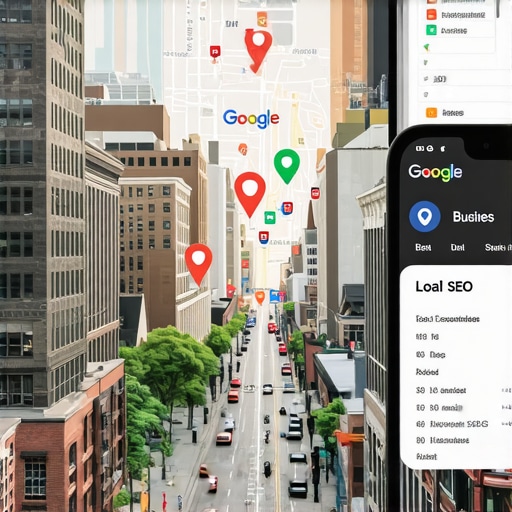
I remember the exact moment I realized my business was invisible on Google Maps in Richmond. I had spent hours tweaking my website, posting on social media, and even running ads—yet, when locals searched for my services, I was nowhere to be found. It felt like shouting into a void. That lightbulb moment hit hard: if I wanted more local customers, I needed to crack the Google Maps code.
Fast forward a bit, and I discovered that local SEO isn’t just about keywords or website design—it’s about mastering a set of proven strategies that make your business the obvious choice when someone nearby searches for what you offer. Today, I want to share my journey and show you how to boost your Richmond business’s visibility on Google Maps, so you can enjoy more foot traffic, calls, and conversions.
Why Local SEO Matters More Than Ever in Richmond
Richmond is a bustling city with tons of competitors vying for attention. According to a recent report, over 70% of consumers who perform a local search visit a store within five miles—an opportunity you can’t afford to miss (source). Yet, many local businesses overlook the importance of being visible on Google Maps, which is often the first step customers take when looking for services nearby. Without a solid local SEO strategy, your business risks remaining hidden in the digital shadows.
Think about how often you’ve seen a local restaurant or shop pop up on Google Maps with glowing reviews and a prime spot at the top of the list. That’s not luck—it’s strategic optimization. If you want your Richmond business to be that go-to spot, understanding and implementing effective local SEO tactics is essential.
But here’s the thing—it’s easy to make mistakes early on. I once assumed that just listing my business was enough. Turns out, I was missing out on critical elements like Google My Business (GMB) optimization and local citations. These small errors held my rankings back for months until I learned the hard way that strategic, ongoing efforts are what truly make the difference.
In the next sections, I’ll walk you through the exact steps to dominate Richmond’s local search results, so stay tuned. If you’ve faced the frustration of being invisible on Google Maps, I promise you this: with the right approach, your business will stand out in 2025 and beyond.
Is GMB Optimization Really Worth It?
I used to think that just filling out my Google My Business profile was enough. Spoiler: it’s not. I made the mistake of neglecting key aspects like consistent NAP (Name, Address, Phone Number) data and engaging with reviews, which are crucial for local rankings (source). The truth is, effective GMB optimization can significantly boost your visibility and credibility in the local community. So yes, investing time here is definitely worth it.
Claim Your Google My Business Listing
Start by creating or claiming your Google My Business (GMB) profile. Ensure all information is accurate and complete, including your business name, address, phone number, and website. Use consistent NAP details across all platforms to prevent confusion that can hurt your rankings. When I first updated my GMB profile for my Richmond bakery, I realized that even minor typos in my address caused my listing to be hidden. Fixing these errors immediately improved my visibility.
Optimize GMB Profile for Local Relevance
Next, optimize your GMB profile by selecting the most relevant categories for your business. Add high-quality photos that showcase your products or services—visual content captures attention and encourages clicks. Regularly post updates, offers, or events to keep your profile active and engaging. I once posted a special promotion for Richmond residents, which significantly increased my local foot traffic within days.
Encourage and Manage Customer Reviews
Reviews are a major factor in local SEO rankings. Actively request satisfied customers to leave reviews on your GMB profile, and respond promptly to all reviews—positive or negative. This engagement boosts your credibility and signals to Google that your business is active. I learned this lesson after neglecting reviews for months; once I started engaging with customers online, my rankings improved noticeably.
Build Local Citations and Listings
Ensure your business is listed accurately on local directories such as Yelp, Bing Places, and industry-specific sites. Consistency in your NAP details across these directories reinforces your local relevance. I found that updating my citations helped remove duplicate listings and fixed inconsistent data, which had been holding back my rankings. For a comprehensive approach, consider leveraging trusted citation sources like Richmond SEO strategies.
Leverage Local Keywords and Content
Research keywords that local customers use, such as “Richmond pizza delivery” or “best florist in Richmond.” Incorporate these keywords naturally into your website content, service descriptions, and blog posts. I once added a blog about Richmond’s local events, which attracted nearby visitors searching for community-related topics. This not only boosted my SEO but also built trust within the local community.
Monitor Performance and Adjust Strategy
Use tools like Google Analytics and Google Search Console to track your local SEO progress. Pay attention to your Google Maps rankings, click-through rates, and customer inquiries. Based on data, refine your keywords, update your profiles, and seek new review opportunities. Consistency and adaptation are key to maintaining high visibility in Richmond’s competitive local market.
Many local business owners in Richmond and beyond fall prey to misconceptions about what it really takes to rank highly on Google Maps. The most widespread myth is that simply creating a Google My Business (GMB) profile guarantees top rankings. In reality, GMB is just the starting point; ongoing optimization and strategic efforts are essential (source). Another false belief is that reviews are the only factor influencing local rankings. While reviews are influential, they are part of a broader ecosystem that includes citations, website authority, and local relevance. Overlooking these can sabotage your efforts.
Some think that keyword stuffing in their GMB description or website content can boost rankings. This approach is not only outdated but can also lead to penalties (source). Instead, focus on natural, user-friendly content that incorporates local keywords seamlessly. Myth busting also involves understanding that local SEO is a one-time setup. The truth is, local search algorithms evolve, and continuous updates—like fresh photos, posts, and review engagement—are necessary to stay competitive.
One hidden nuance often misunderstood is the importance of consistency across all online platforms. Many assume that optimizing GMB alone will suffice. In reality, building accurate local citations and maintaining NAP consistency across directories is crucial for signaling relevance to Google. Failing to do so can cause your listings to be marked as duplicate or inconsistent, hurting your rankings.
What advanced strategies do top-ranking businesses use that most overlook?
Beyond the basics, successful businesses leverage localized content marketing—like blog posts about local events or community news—to boost relevance and authority. They also utilize schema markup to help search engines better understand their business data, making their listings more attractive in local packs. These tactics are often underutilized but can provide a significant edge (source).
Finally, avoid the trap of neglecting review management. Responding to reviews, especially negative ones, not only improves your reputation but also signals to Google that your profile is active and engaged. This ongoing effort can be the difference-maker in achieving top local rankings.
Have you ever fallen into this trap? Let me know in the comments.
How do I keep my local SEO efforts working over time?
Once you’ve optimized your Google My Business profile and implemented your local SEO strategy, the next challenge is maintaining those results consistently. The digital landscape is constantly evolving, and so are Google’s algorithms. To stay ahead, you need reliable tools and a systematic approach. One tool I personally rely on is BrightLocal. I use it to monitor my local rankings, track reviews, and audit citations regularly. BrightLocal provides a comprehensive dashboard that consolidates all essential metrics, making it easier to spot issues before they impact your visibility.
Another critical aspect is review management. I recommend using Podium because it streamlines review collection and response. Engaging with reviews promptly not only boosts your reputation but also signals activity to Google, which can positively influence your rankings. Consistent review management creates a feedback loop that keeps your profile active and trustworthy.
For citation consistency, I swear by Whitespark’s Citation Finder. It helps me identify and correct discrepancies across directories, ensuring my NAP details remain uniform. This practice is vital because inconsistent citations can dilute your local relevance signals. Regular audits—say monthly—using these tools ensure your local presence remains strong and accurate.
Looking ahead, I predict that automation and AI-driven insights will play an even bigger role in local SEO. Tools that can analyze competitor strategies or suggest keyword adjustments will become more accessible, helping small businesses stay competitive without extensive manual effort. To stay ahead, I suggest integrating these tools into your routine now.
What advanced tools can help sustain your local SEO success?
Beyond the basics, advanced tools like SEMrush or Ahrefs can provide valuable insights into your local keyword performance and backlink profile. They help you identify new opportunities to optimize content or build local authority. Incorporating schema markup is another step I’ve added recently, using Google’s Structured Data Markup Helper, which helps search engines understand your business better and can enhance your local pack visibility (source).
Regularly updating your Google My Business with fresh photos, posts, and offers is another internal practice I recommend. This activity keeps your profile active, signaling Google that your business is alive and engaged. Remember, local SEO isn’t a set-it-and-forget-it task—it’s a continuous process that requires attention and the right tools.
If you want to keep your local visibility thriving, start by integrating a rank tracking tool like BrightLocal or SEMrush, combined with review and citation management systems. Set a monthly review schedule to audit your data and adjust your tactics accordingly. As automation improves, staying proactive will become even more critical to maintaining your edge in Richmond’s competitive local market.

If you’ve ever wondered why some Richmond businesses always seem to attract local customers while others stay hidden in the shadows, you’re about to discover a game-changing secret. The key lies not just in a pretty website or clever ads, but in mastering the art of Google Maps optimization. This isn’t just a technical skill; it’s a strategic advantage that can transform your local presence and bring new customers knocking on your door.
My journey started with frustration—seeing competitors dominate local search results while my business remained invisible. That was a wake-up call. Over time, I learned that the true power of local SEO is in the details: consistent NAP data, engaging reviews, strategic use of local keywords, and ongoing profile updates. These small but mighty factors, when combined, create a magnetic effect for local searchers.
Richmond’s market is fierce, but with the right approach, your business can stand out. The secret sauce is ongoing effort—regularly updating your GMB profile, building citations, managing reviews, and leveraging local content. The effort pays off with increased foot traffic, calls, and loyal customers. Remember, local SEO isn’t a one-time task; it’s an investment in your community’s trust and visibility.
Insider Wisdom for Local SEO Triumphs
- Don’t ignore the power of reviews: I once thought reviews were just for reputation; I didn’t realize they directly impact rankings. Engaging with reviews actively boosted my visibility and credibility in Richmond.
- Consistency is king: Small inconsistencies in NAP data can hide your business. I learned that a single typo in my address caused issues until I corrected it everywhere.
- Local content is your secret weapon: Sharing stories about Richmond events and community news helped me rank higher and connect authentically with local customers.
- Profile updates matter: Regular posts and new photos keep your GMB profile active, signaling to Google that your business is thriving and relevant.
My Go-To Arsenal for Local SEO Mastery
- Richmond SEO Strategies: The cornerstone for local visibility, packed with proven tactics tailored for 2025’s algorithms.
- GMB Optimization Guide: A step-by-step blueprint that demystifies Google My Business management and boosts your rankings.
- Virginia Local SEO Techniques: A comprehensive resource for understanding regional nuances and opportunities.
- Expert Local SEO Tips: Insights from industry leaders that keep my strategies sharp and effective.
Seize Your Moment and Dominate Richmond’s Local Search
Embarking on your local SEO journey might feel daunting at first, but remember—every big success starts with a single step. The landscape of Google Maps and local search is constantly evolving, and staying proactive is your best bet to stay ahead. With the right tools, consistent effort, and a passion for serving your community, you can turn your business into Richmond’s go-to destination.
Now, I want to hear from you. Have you ever struggled to get your business noticed on Google Maps? What’s the one tactic you’re excited to try first? Drop your thoughts below, and let’s grow together!